Buy rundreise.eu ?
We are moving the project
rundreise.eu .
Are you interested in purchasing the domain
rundreise.eu ?
domain@kv-gmbh.de · 0541-91531010
Buy rundreise.eu ?
What is the citation rule for handbooks with multiple authors?
When citing a handbook with multiple authors, the general rule is to list all the authors in the reference list. In the in-text citation, the first author's last name is listed followed by "et al." to indicate that there are additional authors. For example, in APA style, the in-text citation would look like (Smith et al., 2020). It's important to check the specific citation style guide (such as APA, MLA, Chicago, etc.) for the exact formatting and punctuation rules for citing handbooks with multiple authors. **
What is the difference between exploration and sightseeing during a company internship?
Exploration during a company internship involves actively seeking out new opportunities to learn and grow within the organization. This may involve taking on new projects, seeking out mentors, or trying out different roles within the company. On the other hand, sightseeing during an internship refers to simply observing and passively experiencing the day-to-day operations of the company without actively engaging or seeking out new experiences. While sightseeing can provide valuable insights, exploration is more proactive and can lead to greater personal and professional development during an internship. **


Similar search terms for Handbooks
Top-Angebote
Products related to Handbooks:
-
From the Archives: Black History and Culture Value PackThis brand-new series is rooted in a profound commitment to shedding light on some of the important -- and often lesser-known -- aspects of Black history. From the Archives features landmarks, events, people, and artistic endeavors that have played...27,99 $*Shipping: 0,00 $Secure redirect to the provider
-
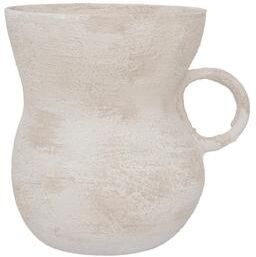
Urban Nature Culture Vase RelaxedQuiet elegancy comes to life in Urban Nature Culture's vase Relaxed. Handmade in Portugal, this ceramic vase has a shape beyond anything you've seen - it's organic, it flows and steals your heart with its playful ear.123,40 $*Shipping: 0,00 $Secure redirect to the provider



-
Is man a creature of nature or culture, or is culture the nature of man?
Man is a complex being influenced by both nature and culture. While humans are inherently part of the natural world, our behaviors, beliefs, and practices are largely shaped by the societies we live in. Culture can be seen as the nature of man in the sense that it is a fundamental aspect of human existence, shaping our identities and interactions with the world. Ultimately, the relationship between nature and culture is intertwined in shaping the essence of humanity. **
-
Is man a being of nature or culture, or is culture the nature of man?
Man is a being of both nature and culture. While humans are inherently a part of the natural world, our ability to create and participate in culture sets us apart from other species. Culture shapes our beliefs, behaviors, and interactions with the world, becoming an essential part of our identity. Therefore, culture can be seen as the nature of man, as it influences and defines our existence in profound ways. **
-
Is culture a form of nature?
Culture is not a form of nature, but rather a product of human society. While culture can be influenced by nature and the environment, it is distinct in that it is created, shared, and passed down through generations by humans. Nature refers to the physical world and natural phenomena, while culture encompasses the beliefs, customs, arts, and social behaviors of a particular group of people. **
-
Is man a being of nature or culture?
Man is a being of both nature and culture. While humans are a part of the natural world and share many characteristics with other animals, they also possess the ability to create and participate in complex cultural systems. Culture shapes human behavior, beliefs, and values, influencing how individuals interact with their environment. Ultimately, humans exist at the intersection of nature and culture, with both aspects playing a significant role in shaping their identities and experiences. **


What are electricity and high culture history?
Electricity history refers to the development and use of electricity as a form of energy, including the discovery of electricity, the invention of electric devices, and the establishment of electrical systems. High culture history, on the other hand, refers to the history of cultural and artistic achievements that are considered to be of high quality and sophistication, such as classical music, literature, fine arts, and theater. Both electricity and high culture history have evolved over time, shaping the way we live and appreciate the world around us. **
What is the difference between low culture and high culture in history?
Low culture refers to the cultural activities and products that are considered to be more common, popular, and easily accessible to the general public. This can include things like popular music, television shows, and mass-produced literature. On the other hand, high culture refers to the cultural activities and products that are considered to be more refined, sophisticated, and often associated with the elite or educated classes. This can include things like classical music, fine art, and literature that is considered to be more intellectually challenging. The distinction between low and high culture has been a source of debate and has evolved over time, but it generally reflects the social and class divisions within a society. **
Top-Angebote
Products related to Handbooks:
-
Mitchell Beazley RHS Small Garden Handbook: Making the Most of Your Outdoor Space (Royal Horticultural Society Handbooks) by Andrew Wilson'RHS Small Garden Handbook provides an all-in-one guide for small-space gardens, showing the processes of planning, planting and maintaining an outdoor space that will lift your heart every time you step outside.' -- The IndependentRHS Small Garden Handbook provides an all-in-one guide for small space gardeners and draws on the experience in growing, planting, landscaping and design for which the RHS is world famous.It begins by explaining how to assess your plot so that you are aware of the soil, orientation, microclimate, existing materials and proportions that you have to work with, before revealing the principles of good design. Showing how your decisions on layout, colour and texture will affect the finished design and what tricks can be played to create a greater sense of space - with everything from expert design advice on boundaries, hedges and fences to clever ideas for containers and storage - every gardener will gain confidence in creating a garden to enjoy no matter how big the plot.Each of the nine chapters includes 15 ways to make instant improvements and a real-life case study to inspire change. All the gardens featured in the book's 300 photographs are accessible, achievable and truly inspirational.9,95 £*Shipping: 2,99 £Secure redirect to the provider
-
Mitchell Beazley RHS Small Garden Handbook by Andrew Wilson - Making the Most of Your Outdoor Space - Hardback - RHS Handbooks Gardening GuideThe RHS Small Garden Handbook is a comprehensive guide for anyone gardening in a compact plot, courtyard or balcony. Written by award-winning garden designer Andrew Wilson and published under the Royal Horticultural Society Handbooks banner, it distils decades of RHS expertise into practical advice. This hardback handbook helps transform even the smallest outdoor space into a productive and stylish garden. It begins by teaching readers how to assess a small plot, including reading soil type, orientation, microclimate and existing features. The book then provides detailed guidance on design, planting and long-term maintenance. With 224 pages of expert advice, this handbook is ideal for new homeowners, apartment dwellers and experienced gardeners alike.9,95 £*Shipping: 2,99 £Secure redirect to the provider
-
From the Archives: Black History and Culture Value PackThis brand-new series is rooted in a profound commitment to shedding light on some of the important -- and often lesser-known -- aspects of Black history. From the Archives features landmarks, events, people, and artistic endeavors that have played...27,99 $*Shipping: 0,00 $Secure redirect to the provider
-
What is the citation rule for handbooks with multiple authors?
When citing a handbook with multiple authors, the general rule is to list all the authors in the reference list. In the in-text citation, the first author's last name is listed followed by "et al." to indicate that there are additional authors. For example, in APA style, the in-text citation would look like (Smith et al., 2020). It's important to check the specific citation style guide (such as APA, MLA, Chicago, etc.) for the exact formatting and punctuation rules for citing handbooks with multiple authors. **
-
What is the difference between exploration and sightseeing during a company internship?
Exploration during a company internship involves actively seeking out new opportunities to learn and grow within the organization. This may involve taking on new projects, seeking out mentors, or trying out different roles within the company. On the other hand, sightseeing during an internship refers to simply observing and passively experiencing the day-to-day operations of the company without actively engaging or seeking out new experiences. While sightseeing can provide valuable insights, exploration is more proactive and can lead to greater personal and professional development during an internship. **
-
Is man a creature of nature or culture, or is culture the nature of man?
Man is a complex being influenced by both nature and culture. While humans are inherently part of the natural world, our behaviors, beliefs, and practices are largely shaped by the societies we live in. Culture can be seen as the nature of man in the sense that it is a fundamental aspect of human existence, shaping our identities and interactions with the world. Ultimately, the relationship between nature and culture is intertwined in shaping the essence of humanity. **
-
Is man a being of nature or culture, or is culture the nature of man?
Man is a being of both nature and culture. While humans are inherently a part of the natural world, our ability to create and participate in culture sets us apart from other species. Culture shapes our beliefs, behaviors, and interactions with the world, becoming an essential part of our identity. Therefore, culture can be seen as the nature of man, as it influences and defines our existence in profound ways. **
Similar search terms for Handbooks
-
Urban Nature Culture Vase RelaxedQuiet elegancy comes to life in Urban Nature Culture's vase Relaxed. Handmade in Portugal, this ceramic vase has a shape beyond anything you've seen - it's organic, it flows and steals your heart with its playful ear.123,40 $*Shipping: 0,00 $Secure redirect to the provider
-
Is culture a form of nature?
Culture is not a form of nature, but rather a product of human society. While culture can be influenced by nature and the environment, it is distinct in that it is created, shared, and passed down through generations by humans. Nature refers to the physical world and natural phenomena, while culture encompasses the beliefs, customs, arts, and social behaviors of a particular group of people. **
-
Is man a being of nature or culture?
Man is a being of both nature and culture. While humans are a part of the natural world and share many characteristics with other animals, they also possess the ability to create and participate in complex cultural systems. Culture shapes human behavior, beliefs, and values, influencing how individuals interact with their environment. Ultimately, humans exist at the intersection of nature and culture, with both aspects playing a significant role in shaping their identities and experiences. **
-
What are electricity and high culture history?
Electricity history refers to the development and use of electricity as a form of energy, including the discovery of electricity, the invention of electric devices, and the establishment of electrical systems. High culture history, on the other hand, refers to the history of cultural and artistic achievements that are considered to be of high quality and sophistication, such as classical music, literature, fine arts, and theater. Both electricity and high culture history have evolved over time, shaping the way we live and appreciate the world around us. **
-
What is the difference between low culture and high culture in history?
Low culture refers to the cultural activities and products that are considered to be more common, popular, and easily accessible to the general public. This can include things like popular music, television shows, and mass-produced literature. On the other hand, high culture refers to the cultural activities and products that are considered to be more refined, sophisticated, and often associated with the elite or educated classes. This can include things like classical music, fine art, and literature that is considered to be more intellectually challenging. The distinction between low and high culture has been a source of debate and has evolved over time, but it generally reflects the social and class divisions within a society. **
* All prices are inclusive of VAT and, if applicable, plus shipping costs. The offer information is based on the details provided by the respective shop and is updated through automated processes. Real-time updates do not occur, so deviations can occur in individual cases. ** Note: Parts of this content were created by AI.