Buy rundreise.eu ?
We are moving the project
rundreise.eu .
Are you interested in purchasing the domain
rundreise.eu ?
domain@kv-gmbh.de · 0541-91531010
Buy rundreise.eu ?
Do you know Chinese culture?
Yes, I am familiar with Chinese culture. I have been programmed with information about various aspects of Chinese culture, such as traditions, customs, history, and cuisine. I can provide information and answer questions about Chinese festivals, art, language, and other cultural elements. **
Do you know the Chinese culture?
Yes, I am familiar with various aspects of Chinese culture. I know about traditional Chinese festivals like Chinese New Year and the Mid-Autumn Festival, as well as cultural practices such as tea ceremonies and calligraphy. I am also aware of the importance of concepts like filial piety, respect for elders, and the significance of the color red in Chinese culture. **


Similar search terms for Chinese
Top-Angebote
Products related to Chinese:
-
From the Archives: Black History and Culture Value PackThis brand-new series is rooted in a profound commitment to shedding light on some of the important -- and often lesser-known -- aspects of Black history. From the Archives features landmarks, events, people, and artistic endeavors that have played...27,99 $*Shipping: 0,00 $Secure redirect to the provider
-
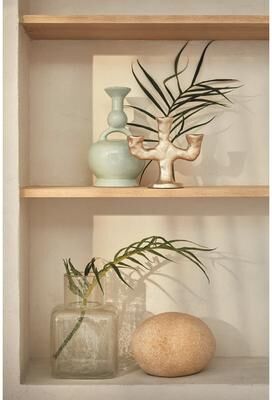
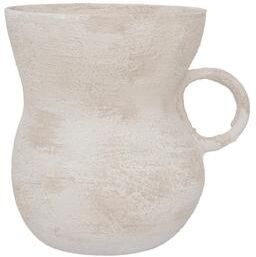
Urban Nature Culture Vase RelaxedQuiet elegancy comes to life in Urban Nature Culture's vase Relaxed. Handmade in Portugal, this ceramic vase has a shape beyond anything you've seen - it's organic, it flows and steals your heart with its playful ear.123,40 $*Shipping: 0,00 $Secure redirect to the provider


-
What does Chinese home culture look like?
Chinese home culture is characterized by strong family values, respect for elders, and a focus on harmony and balance. Homes are often decorated with traditional Chinese furniture and artwork, with an emphasis on simplicity and elegance. Family meals are an important part of daily life, with an emphasis on sharing dishes and eating together. Additionally, practices such as feng shui are often used to create a harmonious and balanced living environment. **
-
How can one learn Chinese history?
One can learn Chinese history through a variety of methods. Reading books and academic articles on Chinese history is a great way to gain a comprehensive understanding of the subject. Additionally, taking courses or attending lectures on Chinese history at a university or cultural institution can provide a structured and in-depth learning experience. Engaging with primary sources, such as historical documents and artifacts, can also offer valuable insights into Chinese history. Finally, visiting historical sites and museums in China can provide a firsthand look at the country's rich history and culture. **
-
How can one interpret the caricature in Chinese everyday culture?
Caricatures in Chinese everyday culture are often seen as a form of entertainment and humor. They are used to exaggerate certain features or characteristics of individuals or situations in a playful way. Caricatures can also be used to convey social or political commentary, providing a satirical take on current events or popular figures. Overall, interpreting caricatures in Chinese everyday culture requires an understanding of the context in which they are presented and the intended message behind the exaggerated depictions. **
-
What are the values of Russian, Chinese, Qatari, etc. culture?
The values of Russian culture often include a strong emphasis on family, tradition, and hospitality. Chinese culture places importance on respect for elders, harmony, and the concept of "saving face." Qatari culture values hospitality, generosity, and the importance of maintaining strong social connections. Each culture also has its own unique set of values, traditions, and customs that contribute to its rich and diverse heritage. **


Do Hong Kong Chinese actually speak Chinese?
Yes, Hong Kong Chinese do speak Chinese. The official languages of Hong Kong are Chinese (Cantonese) and English. Cantonese is the most widely spoken language in Hong Kong, with the majority of the population being fluent in it. In addition to Cantonese, many Hong Kong Chinese also speak Mandarin, especially due to the increasing influence of mainland China. Overall, Chinese language proficiency is common among the population in Hong Kong. **
Do you prefer Chinese, Korean, or Japanese culture more and why?
As an AI, I do not have personal preferences. However, I can provide information on the unique aspects of each culture. Chinese culture is known for its rich history and traditions, Korean culture is celebrated for its emphasis on family and community, and Japanese culture is admired for its blend of ancient traditions and modern innovations. Each culture has its own beauty and charm, making it difficult to choose a favorite. **
Top-Angebote
Products related to Chinese:
-
Fleurance Nature Chinese Massage Balm with 8 AEHealth and Beauty First aid kit Fleurance Nature Chinese Massage Balm with 8 AE General relaxant and muscle relaxant: -100% natural formula -With 8 ECOLOGICAL essential oils. -Without petrochemical derivatives. -100% natural base of coconut and apricot kernel oils, shea butter and beeswax. -8 organic essential oils (peppermint, Eucalyptus globulus, niaouli, cloves, ginger, thyme, cinnamon and ylang-ylang) known to promote muscle relaxation. -Flexible and pleasant texture thanks to beeswax, shea butter and apricot oil. -It can also be used as a chest balm. Eucalyptus: Eucalyptus globulus is the most used species for its virtues on the respiratory system. Like the other species of this family (myrtle, niaouli or clavero), highly aromatic eucalyptus leaves have small secretion pockets that contain between 0.5 and 3.5% essential oil. Eucalyptus is also used in creams and ointments to relieve muscle and joint pain. Ginger: Large vivacious plant native to Asia, its rhizome is only used both in cooking and in popular medicine. The rhizome provides 10 to 40 ml / kg of essential oil. It has an aromatic smell thanks to its essential oil and a characteristic spicy flavor due to the presence of gingerols. Cinnamon: It is the inner bark of a small tree grown in tropical regions. Its use in the kitchen is very common, especially to flavor desserts. In aromatherapy, its oil is used for its stimulating and energizing virtues (for 1.5 to 4 g / d of bark). Thyme: Known since ancient times, thyme is a small plant that grows spontaneously in Mediterranean countries. It gives off a very pleasant smell and its leaves are rich in essential oil. Niaouli: is a tree native to New Caledonia that belongs to the genus Melaleuca. A famous essential oil is extracted from its persistent and highly aromatic leaves. Peppermint: Peppermint is a sterile plant with pointed, dark green leaves. Its particular and refreshing aroma is generally unanimously liked, but it also has many physiological virtues. Ylang-Ylang: Native to Southwest Asia, this tree is cultivated for its flowers, which are then distilled to extract the essential oil. The nail: Originally from Indonesia, the clavero is a tree that can reach 15 meters in height. The nails are your unopened flowers. Today, the clavero is grown primarily for its essential oil. Widely used in dental anesthesia, its smell is immediately reminiscent of dental clinics. How to use: Apply to the areas to relax 1 or 2 times a day7,24 £*Shipping: 3,99 £Secure redirect to the provider
-
Inspire Curations Serene Bamboo Forest Wall Sticker Chinese Style Removable Nature Decor Serene Bamboo Forest Wall Sticker Chinese Style Removable Nature DecorTransform your space into a peaceful retreat with this elegant bamboo wall sticker inspired by traditional Asian design. Featuring lush greenery and depth, these green wall decals create a calming, naturefilled atmosphere in any room. Perfect for...78,00 $*Shipping: 0,00 $Secure redirect to the provider
-
From the Archives: Black History and Culture Value PackThis brand-new series is rooted in a profound commitment to shedding light on some of the important -- and often lesser-known -- aspects of Black history. From the Archives features landmarks, events, people, and artistic endeavors that have played...27,99 $*Shipping: 0,00 $Secure redirect to the provider
-
Do you know Chinese culture?
Yes, I am familiar with Chinese culture. I have been programmed with information about various aspects of Chinese culture, such as traditions, customs, history, and cuisine. I can provide information and answer questions about Chinese festivals, art, language, and other cultural elements. **
-
Do you know the Chinese culture?
Yes, I am familiar with various aspects of Chinese culture. I know about traditional Chinese festivals like Chinese New Year and the Mid-Autumn Festival, as well as cultural practices such as tea ceremonies and calligraphy. I am also aware of the importance of concepts like filial piety, respect for elders, and the significance of the color red in Chinese culture. **
-
What does Chinese home culture look like?
Chinese home culture is characterized by strong family values, respect for elders, and a focus on harmony and balance. Homes are often decorated with traditional Chinese furniture and artwork, with an emphasis on simplicity and elegance. Family meals are an important part of daily life, with an emphasis on sharing dishes and eating together. Additionally, practices such as feng shui are often used to create a harmonious and balanced living environment. **
-
How can one learn Chinese history?
One can learn Chinese history through a variety of methods. Reading books and academic articles on Chinese history is a great way to gain a comprehensive understanding of the subject. Additionally, taking courses or attending lectures on Chinese history at a university or cultural institution can provide a structured and in-depth learning experience. Engaging with primary sources, such as historical documents and artifacts, can also offer valuable insights into Chinese history. Finally, visiting historical sites and museums in China can provide a firsthand look at the country's rich history and culture. **
Similar search terms for Chinese
-
Urban Nature Culture Vase RelaxedQuiet elegancy comes to life in Urban Nature Culture's vase Relaxed. Handmade in Portugal, this ceramic vase has a shape beyond anything you've seen - it's organic, it flows and steals your heart with its playful ear.123,40 $*Shipping: 0,00 $Secure redirect to the provider
-
Inspire Curations Chinese Knot Five Emperors Coin Charm Feng Shui Prosperity & Protection Hanging Decor chinese KnotInvite abundance, balance, and positive energy into your space with this meaningful feng shui coin charm. Rooted in ancient Chinese tradition, it combines five symbolic coins with a vibrant red knotrepresenting prosperity, harmony, and protection....40,00 $*Shipping: 0,00 $Secure redirect to the provider
-
How can one interpret the caricature in Chinese everyday culture?
Caricatures in Chinese everyday culture are often seen as a form of entertainment and humor. They are used to exaggerate certain features or characteristics of individuals or situations in a playful way. Caricatures can also be used to convey social or political commentary, providing a satirical take on current events or popular figures. Overall, interpreting caricatures in Chinese everyday culture requires an understanding of the context in which they are presented and the intended message behind the exaggerated depictions. **
-
What are the values of Russian, Chinese, Qatari, etc. culture?
The values of Russian culture often include a strong emphasis on family, tradition, and hospitality. Chinese culture places importance on respect for elders, harmony, and the concept of "saving face." Qatari culture values hospitality, generosity, and the importance of maintaining strong social connections. Each culture also has its own unique set of values, traditions, and customs that contribute to its rich and diverse heritage. **
-
Do Hong Kong Chinese actually speak Chinese?
Yes, Hong Kong Chinese do speak Chinese. The official languages of Hong Kong are Chinese (Cantonese) and English. Cantonese is the most widely spoken language in Hong Kong, with the majority of the population being fluent in it. In addition to Cantonese, many Hong Kong Chinese also speak Mandarin, especially due to the increasing influence of mainland China. Overall, Chinese language proficiency is common among the population in Hong Kong. **
-
Do you prefer Chinese, Korean, or Japanese culture more and why?
As an AI, I do not have personal preferences. However, I can provide information on the unique aspects of each culture. Chinese culture is known for its rich history and traditions, Korean culture is celebrated for its emphasis on family and community, and Japanese culture is admired for its blend of ancient traditions and modern innovations. Each culture has its own beauty and charm, making it difficult to choose a favorite. **
* All prices are inclusive of VAT and, if applicable, plus shipping costs. The offer information is based on the details provided by the respective shop and is updated through automated processes. Real-time updates do not occur, so deviations can occur in individual cases. ** Note: Parts of this content were created by AI.