Buy rundreise.eu ?
We are moving the project
rundreise.eu .
Are you interested in purchasing the domain
rundreise.eu ?
domain@kv-gmbh.de · 0541-91531010
Buy rundreise.eu ?
In which tense is the source analysis conducted in history?
The source analysis in history is typically conducted in the past tense. This is because historians are examining and interpreting events, documents, and artifacts that have already occurred or been created. By using the past tense, historians can clearly distinguish between the events or sources they are analyzing and the present day. This helps to maintain a clear and accurate understanding of the historical context being studied. **
How are Alevi funerals conducted?
Alevi funerals are typically conducted in a simple and humble manner. The body is washed and wrapped in a white shroud before being placed in a coffin. The funeral ceremony involves prayers, hymns, and readings from Alevi religious texts. Family and friends gather to pay their respects and offer condolences to the grieving family. After the funeral, a communal meal is often shared as a way to remember and honor the deceased. **

Similar search terms for Conducted
Top-Angebote
Products related to Conducted:
-
Urban Nature Culture Vase Talvi - WhiteFloating the sea waves, a sense of calm takes over, feeling at home in the world. That same feeling we get at home, like a safe haven to relax our senses and feast our eyes on our most cherished things.267,80 $*Shipping: 0,00 $Secure redirect to the provider




-
Why are human experiments conducted?
Human experiments are conducted for a variety of reasons, including advancing medical knowledge, developing new treatments and medications, and understanding the effects of certain substances or interventions on the human body. These experiments are also conducted to test the safety and efficacy of new medical procedures and technologies, as well as to better understand human behavior and psychology. Additionally, human experiments can help researchers identify potential risks and benefits of certain interventions, ultimately leading to improved healthcare and quality of life for individuals. **
-
When must inventories be conducted?
Inventories must be conducted at regular intervals as determined by the company's policies and procedures. This could be monthly, quarterly, or annually, depending on the nature of the business and the volume of inventory turnover. Additionally, inventories should be conducted whenever there is a significant change in the business, such as a merger, acquisition, or change in ownership. Conducting inventories regularly helps to ensure accurate record-keeping and prevent discrepancies in the inventory levels. **
-
Why was this experiment conducted?
This experiment was conducted to investigate the effects of a specific variable or phenomenon on a certain system or process. By conducting this experiment, researchers aimed to gather data and evidence to better understand the relationship between the variables involved and to potentially uncover new insights or applications. Additionally, the experiment may have been conducted to test a hypothesis, validate previous findings, or contribute to the existing body of scientific knowledge in a particular field. **
-
How are hypothesis tests conducted?
Hypothesis tests are conducted by first formulating a null hypothesis and an alternative hypothesis. The null hypothesis typically states that there is no effect or no difference, while the alternative hypothesis states the opposite. Then, a test statistic is calculated from the sample data, which is used to determine the likelihood of observing the data if the null hypothesis were true. This test statistic is then compared to a critical value or p-value to determine if the null hypothesis should be rejected in favor of the alternative hypothesis. If the test statistic falls in the rejection region, the null hypothesis is rejected, and it is concluded that there is evidence for the alternative hypothesis. **


How are jewelry appraisals conducted?
Jewelry appraisals are conducted by a professional appraiser who examines the piece of jewelry to determine its value. The appraiser will consider factors such as the quality of the materials, craftsmanship, and any unique or historical significance. They may also use specialized tools such as microscopes and scales to assess the jewelry's characteristics. The final appraisal report will include a detailed description of the piece and its value, which can be used for insurance purposes, estate planning, or selling the jewelry. **
How is the conversation conducted during the traineeship for the subject of history?
During the traineeship for the subject of history, the conversation is typically conducted in a structured and academic manner. Trainees are encouraged to engage in discussions about historical events, theories, and methodologies with their supervisors and peers. The conversation often involves analyzing primary and secondary sources, debating different historical interpretations, and exploring the implications of historical events on contemporary issues. Trainees are also expected to present their research findings and participate in seminars and workshops to further develop their understanding of historical concepts and practices. Overall, the conversation during the history traineeship is focused on fostering critical thinking, analytical skills, and a deeper understanding of historical processes. **
Top-Angebote
Products related to Conducted:
-
From the Archives: Black History and Culture Value PackThis brand-new series is rooted in a profound commitment to shedding light on some of the important -- and often lesser-known -- aspects of Black history. From the Archives features landmarks, events, people, and artistic endeavors that have played...27,99 $*Shipping: 0,00 $Secure redirect to the provider
-
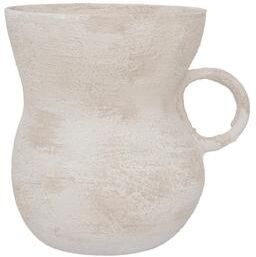
Urban Nature Culture Vase RelaxedQuiet elegancy comes to life in Urban Nature Culture's vase Relaxed. Handmade in Portugal, this ceramic vase has a shape beyond anything you've seen - it's organic, it flows and steals your heart with its playful ear.123,40 $*Shipping: 0,00 $Secure redirect to the provider
-
In which tense is the source analysis conducted in history?
The source analysis in history is typically conducted in the past tense. This is because historians are examining and interpreting events, documents, and artifacts that have already occurred or been created. By using the past tense, historians can clearly distinguish between the events or sources they are analyzing and the present day. This helps to maintain a clear and accurate understanding of the historical context being studied. **
-
How are Alevi funerals conducted?
Alevi funerals are typically conducted in a simple and humble manner. The body is washed and wrapped in a white shroud before being placed in a coffin. The funeral ceremony involves prayers, hymns, and readings from Alevi religious texts. Family and friends gather to pay their respects and offer condolences to the grieving family. After the funeral, a communal meal is often shared as a way to remember and honor the deceased. **
-
Why are human experiments conducted?
Human experiments are conducted for a variety of reasons, including advancing medical knowledge, developing new treatments and medications, and understanding the effects of certain substances or interventions on the human body. These experiments are also conducted to test the safety and efficacy of new medical procedures and technologies, as well as to better understand human behavior and psychology. Additionally, human experiments can help researchers identify potential risks and benefits of certain interventions, ultimately leading to improved healthcare and quality of life for individuals. **
-
When must inventories be conducted?
Inventories must be conducted at regular intervals as determined by the company's policies and procedures. This could be monthly, quarterly, or annually, depending on the nature of the business and the volume of inventory turnover. Additionally, inventories should be conducted whenever there is a significant change in the business, such as a merger, acquisition, or change in ownership. Conducting inventories regularly helps to ensure accurate record-keeping and prevent discrepancies in the inventory levels. **
Similar search terms for Conducted
-
Urban Nature Culture Vase Talvi - WhiteFloating the sea waves, a sense of calm takes over, feeling at home in the world. That same feeling we get at home, like a safe haven to relax our senses and feast our eyes on our most cherished things.267,80 $*Shipping: 0,00 $Secure redirect to the provider
-
Urban Nature Culture Vase Ace - AceSetting forth a tradition that is centuries old, pottery has ever been one of Portugal's trades. Urban Nature Culture loves to work with Portuguese artisans - who use their skills to combine modern looks and contemporary design with techniques of old.145,60 $*Shipping: 0,00 $Secure redirect to the provider
-
Why was this experiment conducted?
This experiment was conducted to investigate the effects of a specific variable or phenomenon on a certain system or process. By conducting this experiment, researchers aimed to gather data and evidence to better understand the relationship between the variables involved and to potentially uncover new insights or applications. Additionally, the experiment may have been conducted to test a hypothesis, validate previous findings, or contribute to the existing body of scientific knowledge in a particular field. **
-
How are hypothesis tests conducted?
Hypothesis tests are conducted by first formulating a null hypothesis and an alternative hypothesis. The null hypothesis typically states that there is no effect or no difference, while the alternative hypothesis states the opposite. Then, a test statistic is calculated from the sample data, which is used to determine the likelihood of observing the data if the null hypothesis were true. This test statistic is then compared to a critical value or p-value to determine if the null hypothesis should be rejected in favor of the alternative hypothesis. If the test statistic falls in the rejection region, the null hypothesis is rejected, and it is concluded that there is evidence for the alternative hypothesis. **
-
How are jewelry appraisals conducted?
Jewelry appraisals are conducted by a professional appraiser who examines the piece of jewelry to determine its value. The appraiser will consider factors such as the quality of the materials, craftsmanship, and any unique or historical significance. They may also use specialized tools such as microscopes and scales to assess the jewelry's characteristics. The final appraisal report will include a detailed description of the piece and its value, which can be used for insurance purposes, estate planning, or selling the jewelry. **
-
How is the conversation conducted during the traineeship for the subject of history?
During the traineeship for the subject of history, the conversation is typically conducted in a structured and academic manner. Trainees are encouraged to engage in discussions about historical events, theories, and methodologies with their supervisors and peers. The conversation often involves analyzing primary and secondary sources, debating different historical interpretations, and exploring the implications of historical events on contemporary issues. Trainees are also expected to present their research findings and participate in seminars and workshops to further develop their understanding of historical concepts and practices. Overall, the conversation during the history traineeship is focused on fostering critical thinking, analytical skills, and a deeper understanding of historical processes. **
* All prices are inclusive of VAT and, if applicable, plus shipping costs. The offer information is based on the details provided by the respective shop and is updated through automated processes. Real-time updates do not occur, so deviations can occur in individual cases. ** Note: Parts of this content were created by AI.