Buy rundreise.eu ?
We are moving the project
rundreise.eu .
Are you interested in purchasing the domain
rundreise.eu ?
domain@kv-gmbh.de · 0541-91531010
Buy rundreise.eu ?
What is the history of the study of heat?
The study of heat, also known as thermodynamics, has a long history dating back to ancient civilizations like the Greeks and Romans who observed and experimented with heat. However, it wasn't until the 19th century that the modern understanding of heat as a form of energy and the laws of thermodynamics were developed. Scientists like James Joule, Sadi Carnot, and Rudolf Clausius made significant contributions to the field, leading to the development of the first and second laws of thermodynamics. Today, the study of heat continues to be a fundamental part of physics and engineering, with applications in various fields such as energy production, climate science, and materials research. **
What is the difference between exploration and sightseeing during a company internship?
Exploration during a company internship involves actively seeking out new opportunities to learn and grow within the organization. This may involve taking on new projects, seeking out mentors, or trying out different roles within the company. On the other hand, sightseeing during an internship refers to simply observing and passively experiencing the day-to-day operations of the company without actively engaging or seeking out new experiences. While sightseeing can provide valuable insights, exploration is more proactive and can lead to greater personal and professional development during an internship. **


Similar search terms for Heat
Top-Angebote
Products related to Heat:
-
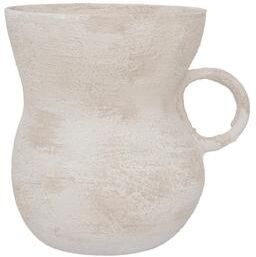
Urban Nature Culture Vase RelaxedQuiet elegancy comes to life in Urban Nature Culture's vase Relaxed. Handmade in Portugal, this ceramic vase has a shape beyond anything you've seen - it's organic, it flows and steals your heart with its playful ear.123,40 $*Shipping: 0,00 $Secure redirect to the provider
-
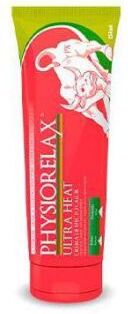
Physiorelax Ultra Heat Heat Cream 250 mlHealth and Beauty First aid kit Physiorelax Ultra Heat Heat Cream 250 ml Physiorelax Ultra Heat Plus is a heat-effect massage cream that you can use daily and on localized areas for greater effect. Its effectiveness comes from the careful combination of natural plant extracts. The high concentration of these ingredients, along with Capsaicin, Clove Oil, and Wintergreen Oil, makes it our most potent formula. This arnica cream is perfect for use before daily overexertion or as a complement to a sports warm-up. Intense heat - For ages 12+. Complete Helenalin2 formula. Perfect for daily or sports warm-ups. Recommended for localized areas: ankles, neck, shoulders, or knees. Other sizes: 250 mL24,02 £*Shipping: 3,99 £Secure redirect to the provider


-
Which material absorbs heat without storing heat?
A material that absorbs heat without storing it is one that has a high thermal conductivity and low heat capacity. This means that it can quickly absorb heat and transfer it away without retaining much of the heat energy. Examples of such materials include metals like aluminum and copper, as well as certain types of ceramics and carbon-based materials. These materials are often used in applications where rapid heat absorption and dissipation are required, such as in heat sinks for electronic devices or in cooking utensils. **
-
What is heat conduction and heat convection?
Heat conduction is the transfer of heat through a material or between materials that are in direct contact with each other. It occurs through the vibration and collision of atoms and molecules, leading to the transfer of thermal energy. On the other hand, heat convection is the transfer of heat through the movement of fluids, such as air or water. This occurs as warmer, less dense fluid rises and cooler, denser fluid sinks, creating a continuous circulation of heat transfer. Both heat conduction and heat convection are important mechanisms for the transfer of heat in various natural and engineered systems. **
-
Is man a creature of nature or culture, or is culture the nature of man?
Man is a complex being influenced by both nature and culture. While humans are inherently part of the natural world, our behaviors, beliefs, and practices are largely shaped by the societies we live in. Culture can be seen as the nature of man in the sense that it is a fundamental aspect of human existence, shaping our identities and interactions with the world. Ultimately, the relationship between nature and culture is intertwined in shaping the essence of humanity. **
-
Is man a being of nature or culture, or is culture the nature of man?
Man is a being of both nature and culture. While humans are inherently a part of the natural world, our ability to create and participate in culture sets us apart from other species. Culture shapes our beliefs, behaviors, and interactions with the world, becoming an essential part of our identity. Therefore, culture can be seen as the nature of man, as it influences and defines our existence in profound ways. **

Is culture a form of nature?
Culture is not a form of nature, but rather a product of human society. While culture can be influenced by nature and the environment, it is distinct in that it is created, shared, and passed down through generations by humans. Nature refers to the physical world and natural phenomena, while culture encompasses the beliefs, customs, arts, and social behaviors of a particular group of people. **
What is heat transfer in a heat exchanger?
Heat transfer in a heat exchanger is the process of exchanging thermal energy between two fluids at different temperatures. This transfer occurs through conduction, convection, or radiation, depending on the design of the heat exchanger. The goal of heat transfer in a heat exchanger is to efficiently and effectively transfer heat from one fluid to another, either to heat or cool the fluids involved. This process is essential in various industrial and commercial applications, such as HVAC systems, refrigeration, and power generation. **
Top-Angebote
Products related to Heat:
-
From the Archives: Black History and Culture Value PackThis brand-new series is rooted in a profound commitment to shedding light on some of the important -- and often lesser-known -- aspects of Black history. From the Archives features landmarks, events, people, and artistic endeavors that have played...27,99 $*Shipping: 0,00 $Secure redirect to the provider
-
Urban Nature Culture Vase RelaxedQuiet elegancy comes to life in Urban Nature Culture's vase Relaxed. Handmade in Portugal, this ceramic vase has a shape beyond anything you've seen - it's organic, it flows and steals your heart with its playful ear.123,40 $*Shipping: 0,00 $Secure redirect to the provider
-
What is the history of the study of heat?
The study of heat, also known as thermodynamics, has a long history dating back to ancient civilizations like the Greeks and Romans who observed and experimented with heat. However, it wasn't until the 19th century that the modern understanding of heat as a form of energy and the laws of thermodynamics were developed. Scientists like James Joule, Sadi Carnot, and Rudolf Clausius made significant contributions to the field, leading to the development of the first and second laws of thermodynamics. Today, the study of heat continues to be a fundamental part of physics and engineering, with applications in various fields such as energy production, climate science, and materials research. **
-
What is the difference between exploration and sightseeing during a company internship?
Exploration during a company internship involves actively seeking out new opportunities to learn and grow within the organization. This may involve taking on new projects, seeking out mentors, or trying out different roles within the company. On the other hand, sightseeing during an internship refers to simply observing and passively experiencing the day-to-day operations of the company without actively engaging or seeking out new experiences. While sightseeing can provide valuable insights, exploration is more proactive and can lead to greater personal and professional development during an internship. **
-
Which material absorbs heat without storing heat?
A material that absorbs heat without storing it is one that has a high thermal conductivity and low heat capacity. This means that it can quickly absorb heat and transfer it away without retaining much of the heat energy. Examples of such materials include metals like aluminum and copper, as well as certain types of ceramics and carbon-based materials. These materials are often used in applications where rapid heat absorption and dissipation are required, such as in heat sinks for electronic devices or in cooking utensils. **
-
What is heat conduction and heat convection?
Heat conduction is the transfer of heat through a material or between materials that are in direct contact with each other. It occurs through the vibration and collision of atoms and molecules, leading to the transfer of thermal energy. On the other hand, heat convection is the transfer of heat through the movement of fluids, such as air or water. This occurs as warmer, less dense fluid rises and cooler, denser fluid sinks, creating a continuous circulation of heat transfer. Both heat conduction and heat convection are important mechanisms for the transfer of heat in various natural and engineered systems. **
Similar search terms for Heat
-
Physiorelax Ultra Heat Heat Cream 250 mlHealth and Beauty First aid kit Physiorelax Ultra Heat Heat Cream 250 ml Physiorelax Ultra Heat Plus is a heat-effect massage cream that you can use daily and on localized areas for greater effect. Its effectiveness comes from the careful combination of natural plant extracts. The high concentration of these ingredients, along with Capsaicin, Clove Oil, and Wintergreen Oil, makes it our most potent formula. This arnica cream is perfect for use before daily overexertion or as a complement to a sports warm-up. Intense heat - For ages 12+. Complete Helenalin2 formula. Perfect for daily or sports warm-ups. Recommended for localized areas: ankles, neck, shoulders, or knees. Other sizes: 250 mL24,02 £*Shipping: 3,99 £Secure redirect to the provider
-
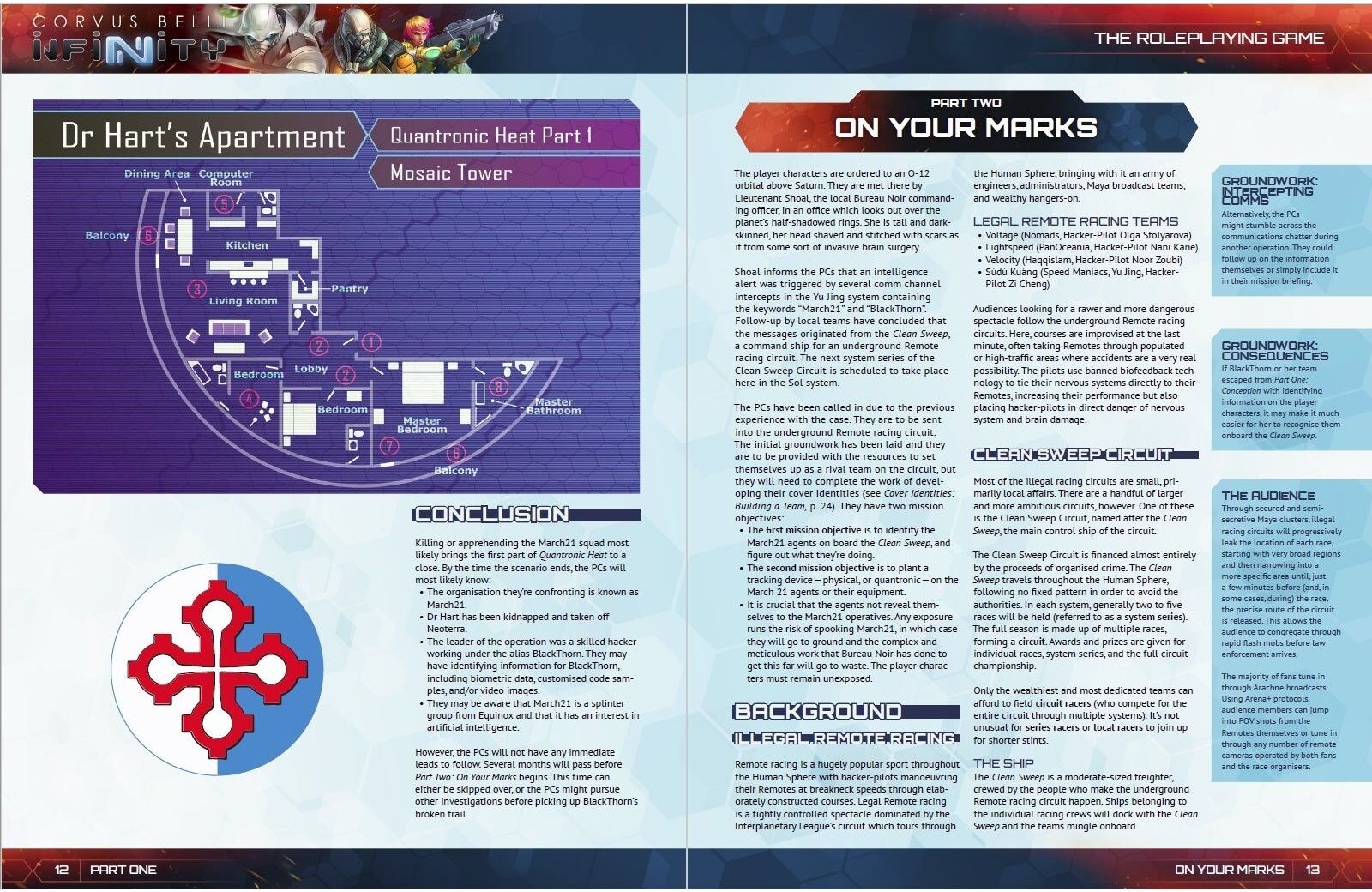
Modiphius Entertainment Infinity RPG Quantronic Heat - Cyber-Thriller Adventure for Infinity Roleplaying GameInfinity RPG: Quantronic Heat is a printed science-fiction mini-campaign for the Infinity roleplaying game. Bureau Noir agents investigating a violent corporate raid on Neoterra soon uncover a conspiracy with far-reaching consequences for the entire Human Sphere. The campaign presents three connected scenarios. Players begin by tracing the disappearance of Dr Morgan Hart through Neoterra’s rain-soaked streets and digital corridors. Their investigation then leads into an underground Remote racing circuit, where control of a racing machine could provide the next vital clue. The story concludes with a pursuit to a frozen base on Svalarheima as the agents attempt to stop a terrorist scheme. This campaign includes three interlinked roleplaying scenarios, investigative, corporate-espionage, and action themes, and locations spanning Neoterra and Svalarheima. It is designed for the Infinity roleplaying game and includes Remote racing and quantronic intrigue. The campaign is presented in a 48-page printed format.13,30 £*Shipping: 3,95 £Secure redirect to the provider
-
Is man a creature of nature or culture, or is culture the nature of man?
Man is a complex being influenced by both nature and culture. While humans are inherently part of the natural world, our behaviors, beliefs, and practices are largely shaped by the societies we live in. Culture can be seen as the nature of man in the sense that it is a fundamental aspect of human existence, shaping our identities and interactions with the world. Ultimately, the relationship between nature and culture is intertwined in shaping the essence of humanity. **
-
Is man a being of nature or culture, or is culture the nature of man?
Man is a being of both nature and culture. While humans are inherently a part of the natural world, our ability to create and participate in culture sets us apart from other species. Culture shapes our beliefs, behaviors, and interactions with the world, becoming an essential part of our identity. Therefore, culture can be seen as the nature of man, as it influences and defines our existence in profound ways. **
-
Is culture a form of nature?
Culture is not a form of nature, but rather a product of human society. While culture can be influenced by nature and the environment, it is distinct in that it is created, shared, and passed down through generations by humans. Nature refers to the physical world and natural phenomena, while culture encompasses the beliefs, customs, arts, and social behaviors of a particular group of people. **
-
What is heat transfer in a heat exchanger?
Heat transfer in a heat exchanger is the process of exchanging thermal energy between two fluids at different temperatures. This transfer occurs through conduction, convection, or radiation, depending on the design of the heat exchanger. The goal of heat transfer in a heat exchanger is to efficiently and effectively transfer heat from one fluid to another, either to heat or cool the fluids involved. This process is essential in various industrial and commercial applications, such as HVAC systems, refrigeration, and power generation. **
* All prices are inclusive of VAT and, if applicable, plus shipping costs. The offer information is based on the details provided by the respective shop and is updated through automated processes. Real-time updates do not occur, so deviations can occur in individual cases. ** Note: Parts of this content were created by AI.